Your kid wants a birthday party everyone will talk about for weeks. You'd also like to survive it with your sanity intact. Good news: those two goals aren't in conflict. Here's how to plan a fun, age-appropriate kids birthday party without turning your living room into a war room three days beforehand.
How to Organize a Kids Birthday Party: The Big-Picture Steps
Before you touch Pinterest, nail down five things in this order: budget, date and location, guest list, theme, and rough timeline. Skipping ahead to theme first is how people end up with a $600 unicorn cake budget and no idea where the party's actually happening.
Budget first, always. In the Seattle area, a simple at-home party with DIY decorations and snacks might run $150–250. Add a themed entertainer or a rented venue, and most families land somewhere between $400 and $700 for a full celebration — food, decor, and activities included. Knowing this number before you start planning saves you from falling in love with ideas you'll have to walk back later.
Date and location come next, because they determine everything downstream — guest count, whether you need a rain backup, and how long you can realistically make the party. If you're hosting at home, walk through your space and figure out where kids will actually play, not just where the cake table looks nice.
Guest list should match your space and your energy, not your child's entire class roster. A backyard comfortably fits 10–15 kids; a rented party room usually has a hard cap (more on that below).
Theme is the fun part, and it's also the easiest to overthink. Ask your kid what they're into right now — not what's trending — and build around that. A theme gives you a shortcut for decorations, games, and even the cake, so decide on it before you start shopping.
Kids Birthday Party Checklist: What to Book and Buy (By Weeks)

Here's a simple birthday party checklist broken into three phases, so nothing sneaks up on you the week of.
|
Timeframe |
To-do |
|
4–6 weeks out |
Lock in date, time, and location; book entertainer or venue; decide theme and guest count; send invitations |
|
2 weeks out |
Order or bake the cake; buy decorations and favors; plan the food menu, checking allergies; confirm headcount |
|
Final 48 hours |
Pick up the cake and last-minute groceries; set up decorations if allowed the night before; charge your camera; pack a small kit with tape, scissors, extra balloons, and basic first aid |
Picking the Right Party Length and Structure for Your Child's Age
This is the part most party guides skip, and it's the one that actually prevents meltdowns. Kids can only stay engaged for so long, and that window changes a lot with age. CNLD Neuropsychology's guide to children's attention spans is one commonly cited breakdown, but the practical rule of thumb is simple: younger children need shorter bursts of highly engaging activity, while older kids can sustain focus through longer, more structured stretches.
Translated into party planning:
-
Age 3: Keep it to 45–60 minutes, with almost no rules to explain. Sensory play, bubbles, simple music, and short activities work better than structured games at this age.
-
Age 4: Aim for 60–75 minutes, with a new activity every 10–15 minutes. Simple role-play, missions, and lightly structured games can keep kids engaged without overcomplicating things.
-
Age 5: Up to 90 minutes is manageable, especially with a more structured storyline. Scavenger hunts, team challenges, and a short performance moment can work well at this age.
-
Ages 6–9: 90 minutes works well, with a mix of one or two structured games and some open playtime.
-
Ages 10–12: Two hours is manageable, especially if the format leans social — think team challenges or a dance party — rather than one continuous activity.
If you're mixing age groups, plan for the youngest kids in the room. It's easier to let older kids self-entertain during a lull than to salvage a 4-year-old who's hit their limit.
Birthday Party Games for Kids That Actually Work (By Age Group)

Generic "party games" lists tend to ignore that a 3-year-old and a 10-year-old need completely different things. Here's what actually holds up by age group.
Younger kids (3–5): Skip anything with complicated rules. Bubble chase, freeze dance, and a simple sticker or stamp hunt around the room keep this age group moving without requiring them to follow multi-step instructions.
Elementary age (6–9): This is where structured games shine. A treasure hunt with picture clues (not text, if you've got younger readers), musical statues, and short relay races give kids a clear goal and a natural stopping point.
Tweens (10–12): Trivia battles based on their favorite shows, a dance-off with a points system, or a mini escape-room-style challenge with locks and clues tend to land well — this age group wants a bit of competition and social interaction, not just games for the sake of games.
A few of these formats are exactly what we've built full programs around at Wonder Spark — our K-Pop Dance Party leans into that tween energy with a real dance-off structure, and our Science & Cryo Show turns "structured activity" into something with actual fog and liquid nitrogen — run by a trained presenter with the kids at a safe distance, which is the part parents usually want to hear first.
Kids Birthday Party in Seattle: Local Logistics Parents Ask About
Planning a kids birthday party in Seattle comes with a few local wrinkles a generic checklist won't cover — and after running parties from Ballard backyards to Bellevue rec rooms, these are the ones that trip families up most.
Rain backup is not optional. If you're planning anything outdoors between October and April, build an indoor plan into your original plan, not as an afterthought. Garages, covered patios, or a rented indoor space all work.
Parks require a reservation, and the process has its own calendar. If you want a picnic shelter at a Seattle park, you'll need a permit. Per Seattle Parks and Recreation's official picnic reservation page, shelters are booked through a preseason lottery ahead of each season. Rates depend on the shelter, how many tables you need, and whether it's a weekday or weekend, and they're reset annually by the City. Current figures are printed right on the picnic application form, so check there rather than relying on numbers you find floating around older guides. Popular shelters at parks like Green Lake or Discovery Park go fast once the lottery opens. Applications for the following season open January 1. Anything submitted before March 1 goes into the preseason lottery; after that, applications are processed in the order they arrive, once the lottery is cleared.
Don't overlook community centers. Seattle Parks community centers rent rooms by the hour, and for a lot of families they're the cheapest indoor option in the city — heated, has a bathroom, and no one's carpet is at risk. Availability varies by location, so call the specific center rather than assuming.
Two things that specifically matter for a kid's party. First, if you want a bounce house or professional catering, you can't use the online self-service booking — you need the full picnic application form. Second, online self-service only runs April 1 through October 31, and those reservations are final: no changes, no refunds. Plan the date before you book, not after.
Indoor venues solve more than just weather. A dedicated party space also means you're not cleaning your house before and after, and there's no worrying about a toddler exploring rooms you didn't childproof for a party. If you'd rather skip the home-hosting logistics altogether, Wonder Spark's private party room gives you a 3-hour rental with tables, chairs, and a soft play corner already set up — no setup or cleanup on your end. We work with families across Seattle, Redmond, Kirkland, Lynnwood, Everett, Kent, Renton, and Tacoma, with packages starting at $330. Call (425) 344-9885 to check availability and package options.
When to Bring in Help (and What That Actually Solves)

Here's the honest tradeoff: running games yourself saves money, but it also means you're the entertainer, the referee, and the photographer, all while trying to actually be present for your kid's birthday. Hiring help doesn't just add polish — it changes your role at the party from "staff" to "parent who gets to watch."
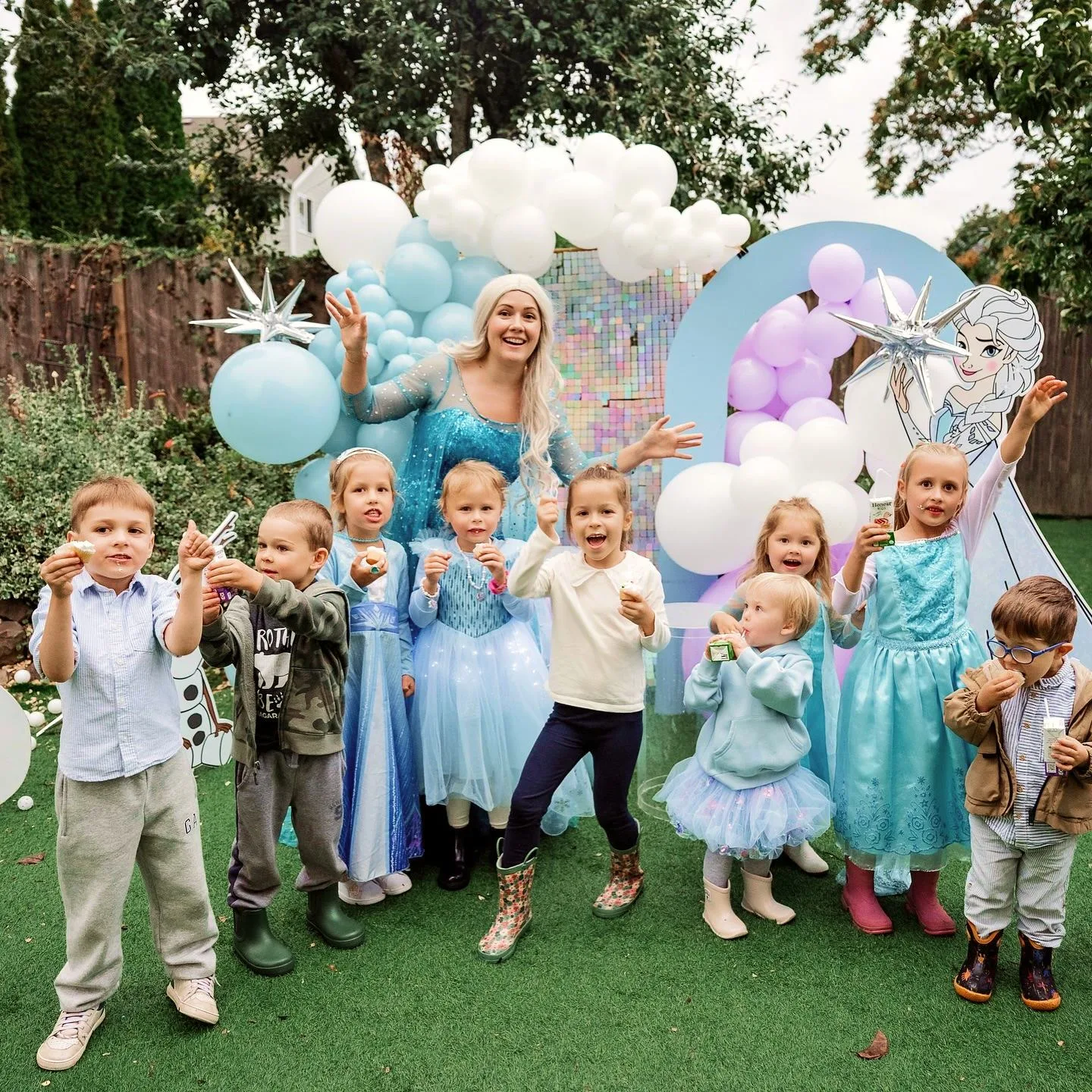
That's the specific problem a themed program or hired entertainer solves. Instead of you cueing up the next game and hoping the kids follow along, someone whose actual job is reading a room full of 6-year-olds handles the pacing. Whether that's a character entertainer weaving through a Snow Queen or Superhero Academy storyline, a Spa Party where kids get mini facials and nail art while you sit down for once, or a Make & Take Workshop where the "activity" and the "party favor" are the same thing — the point is the same: you stop managing the party and start attending it.
If you're weighing your options, browse Wonder Spark's full lineup of party programs to see what fits your kid's age and interests, or check venue availability if you need a space to put it all in.
The Best Parties Are the Ones You Actually Get to Enjoy
A great kids birthday party doesn't come down to how much you spend or how perfect the decorations look — it comes down to whether the kids had fun and whether you got to watch them have it. Plan around your child's age, keep the structure simple, and build in a backup plan for Seattle weather, and you're most of the way there. If you'd rather hand off the planning entirely, see how Wonder Spark can help with everything from entertainment to the venue itself.
FAQ
How far in advance should I plan a kids birthday party?
Start 4–6 weeks out for anything involving a booked venue or entertainer, especially for weekend dates in Seattle, which tend to fill up. A simple at-home party can come together in 2–3 weeks if needed.
How long should a kids birthday party last?
It depends on age: 45–60 minutes for 3-year-olds, 60–75 minutes for 4-year-olds, and up to 90 minutes for 5-year-olds. For ages 6–9, about 90 minutes works well, while tweens can usually handle up to two hours. Match the length to your youngest guests if the group is mixed-age.
What are good birthday party games for a mixed-age group?
Simple, low-instruction games like freeze dance or a picture-clue treasure hunt work across a wider age range than games with complex rules, since younger kids can participate without needing everything explained twice.
Do I need a professional entertainer, or can I run the party myself?
You can absolutely run it yourself, especially for smaller or shorter parties. Hiring help makes the most sense when you want to actually enjoy the party instead of managing it, or when the guest list is big enough that one adult can't realistically referee games and handle food at the same time.